What if you could stop the clock when it comes to skin ageing with a magical ingredient? Read ahead for everything you need to know about retinol.
Retinol is a derivative of Vitamin A and one of the most scientifically-proven anti-aging ingredients in skincare. Often called the "gold standard" of anti-aging, retinol works by accelerating cell turnover and stimulating collagen production, helping to reveal smoother, younger-looking skin.
Unlike harsh treatments, retinol works gradually to transform your skin from within. It's a versatile ingredient that addresses multiple skin concerns simultaneously, making it a must-have in any serious anti-aging routine.
๐ฌ Cellular Level: Penetrates deep into skin layers to stimulate cell renewal
๐งฌ Collagen Boost: Encourages natural collagen and elastin production
โก Exfoliation: Gently removes dead skin cells for smoother texture
๐ฏ Targeted Action: Addresses fine lines, wrinkles, and uneven skin tone
โ Results in firmer, more youthful-looking skin over time.
Disclosure: As an Amazon Associate, we earn from qualifying purchases.
Not all retinoids are created equal. Here's your guide to different types and their strengths.
Discover the scientifically-proven benefits that make retinol the most trusted anti-aging ingredient.
๐ก Expert Tip: The key to retinol success is consistency and patience. Most people see initial improvements within 4-6 weeks, with significant results appearing after 12+ weeks of regular use.
Master the art of retinol application with this expert-approved routine for maximum results and minimal irritation.
Cleanse your face thoroughly with a gentle cleanser. Wait 20-30 minutes for your skin to completely dry before applying retinol. This prevents increased absorption that could lead to irritation.
Retinol makes your skin photosensitive, so always use it in your evening routine. Never apply retinol during the day or before sun exposure.
Apply a pea-sized amount to your entire face. Avoid the eye area, corners of the nose, and lips. More product doesn't mean better results with retinol.
For sensitive skin, apply a thin layer of moisturizer, then retinol, then another layer of moisturizer. This buffers the retinol and reduces irritation.
Wait 10-15 minutes after applying retinol, then follow with a hydrating moisturizer to prevent dryness and maintain skin barrier function.
Use broad-spectrum SPF 30+ every morning. This is absolutely essential when using retinol, as it increases sun sensitivity significantly.
Never mix retinol with AHA/BHA acids, vitamin C, or benzoyl peroxide in the same routine. These combinations can cause severe irritation and reduce effectiveness. Always patch test new retinol products before full application.
Discontinue use if you experience severe burning, persistent redness lasting more than a week, or signs of allergic reaction. Pregnant and breastfeeding women should avoid retinol. Consult a dermatologist if side effects don't improve after 6-8 weeks.
๐ฌ The Science: These side effects occur because retinol accelerates cell turnover from the typical 28-day cycle to about 14 days. Your skin needs time to adjust to this increased activity, which is why gradual introduction is crucial.
Our top recommendation for those seeking professional-grade retinol with advanced peptide technology.
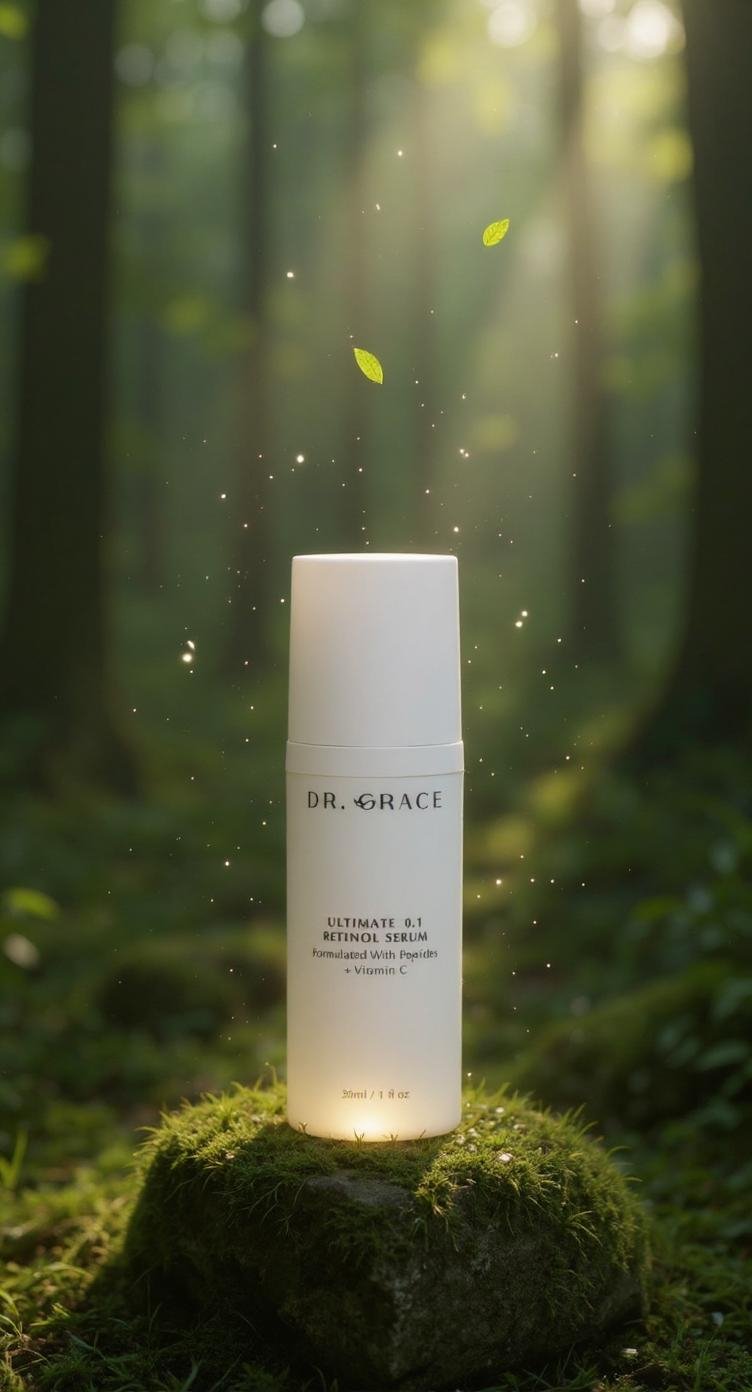
This premium retinol serum combines the anti-aging power of 0.1% retinol with advanced peptides and vitamin C for comprehensive skin renewal. Perfect for those ready to step up their anti-aging game.
Perfect for: Anti-aging enthusiasts, those new to retinol, and anyone seeking professional results at home.
Expert answers to the most common retinol questions from skincare enthusiasts.
Yes, but start with the lowest concentration (0.25%) and use it only once or twice a week initially. Consider retinyl palmitate or encapsulated retinol formulas, which are gentler. Always patch test first and introduce very gradually.
Most dermatologists recommend starting retinol in your mid-to-late 20s as a preventative measure. However, it's never too late to start - retinol can benefit skin at any age, though older skin may need a more gradual introduction.
It's best to use them at different times - vitamin C in the morning and retinol at night. Using them together can cause irritation and may reduce the effectiveness of both ingredients. Some advanced formulations combine them safely, but separate application is generally recommended.
Retinol purging typically lasts 4-6 weeks as your skin adjusts to increased cell turnover. You may see temporary increases in breakouts, but this should improve as your skin adapts. If purging continues beyond 8 weeks, consult a dermatologist.
The eye area is more delicate, so use a lower concentration or eye-specific retinol product. Start very slowly and always follow with a rich eye cream. Some people may find even gentle retinol too irritating for the eye area.